What Happens When Raw Meat Packaging Sits in a Trash Can?
That empty chicken tray or ground beef wrapper might seem harmless once you toss it in the trash. But a few days later, your garbage can may smell terrible, even if the bag is tied shut.
Raw meat packaging often contains leftover juices, small pieces of meat, and moisture that can create unpleasant conditions inside your trash can. As the residue breaks down, odors develop, bacteria can multiply, and flies may become interested in the contents.
Understanding what happens when raw meat packaging sits in a trash can can help you prevent stubborn smells, reduce messy buildup, and recognize when your bin needs more than a quick rinse.
What Happens to Raw Meat Residue Inside a Trash Can?
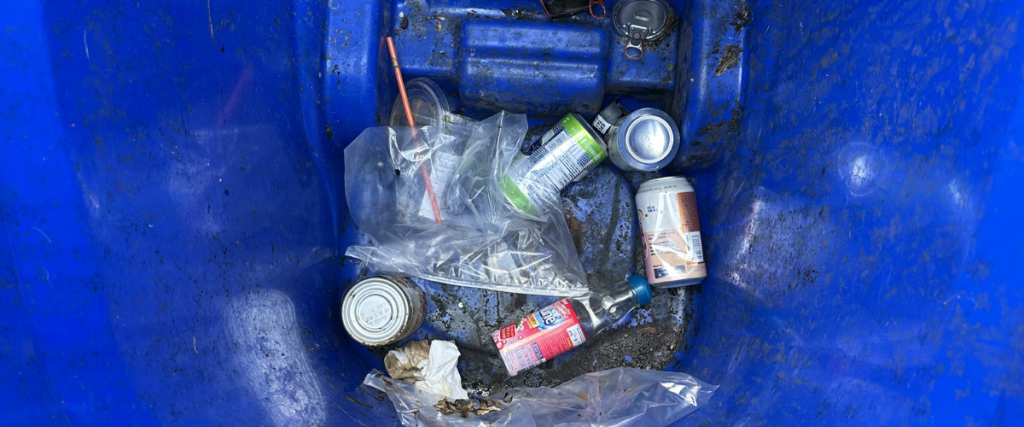
Raw meat packaging is different from ordinary household waste because it may carry protein-rich liquids and organic residue. Even when a package looks empty, small amounts of meat juice can remain on plastic trays, absorbent pads, and wrapping materials.
Once the packaging enters your garbage can, several changes can occur.
Organic Residue Begins to Break Down
Small pieces of raw meat and leftover juices begin decomposing as microorganisms act on the organic material.
This process produces compounds responsible for the unpleasant smells associated with spoiled meat and food waste.
A tightly closed garbage bag may contain some of these odors, but it does not stop decomposition.
Liquids Can Collect at the Bottom of the Bin
Meat packaging frequently contains absorbent pads or trapped liquids. If these materials leak or the garbage bag tears, the contents can reach the bottom of your trash can.
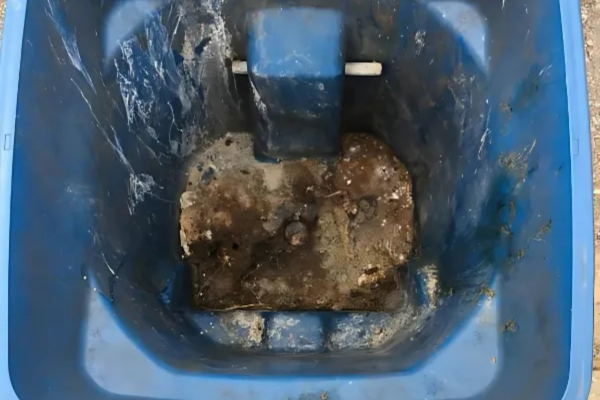
Over time, the liquid may combine with other household waste, creating sticky buildup along the bottom, corners, and interior walls.
Even after garbage collection, that residue can remain behind.
Bacteria Can Multiply in Residue
Raw meat naturally carries microorganisms, and leftover organic material can support microbial growth under suitable conditions.
Moisture and warmth may encourage this activity, particularly when food residue remains inside the container for several days.
This does not mean every dirty garbage can creates a health emergency. However, removing food residue and maintaining cleaner surfaces are sensible household hygiene practices.
Why Does Raw Meat Packaging Make Garbage Cans Smell So Bad?
The odor associated with discarded meat packaging comes primarily from the breakdown of organic material.
As meat residue decomposes, microorganisms produce volatile compounds that can create strong, unpleasant smells.
Several conditions influence how quickly these odors become noticeable:
- Temperature: Warm conditions generally accelerate the decomposition of organic waste.
- Moisture: Leaking juices and other liquids create damp conditions inside the bin.
- Time: Packaging left in the garbage for several days has more time to develop odors.
- Residue buildup: Food particles trapped in corners or stuck to interior surfaces can continue producing odors.
- Waste volume: More food scraps and organic material can contribute to stronger smells.
In Louisiana, warm temperatures and humid conditions can make garbage odors particularly noticeable during the hotter months.
A trash can stored outside in direct sunlight may experience faster odor development than one kept in a cooler, shaded location.
However, shade alone cannot prevent smells if food residue is already accumulating inside the container.
Can Raw Meat Packaging Attract Flies and Maggots?
Yes. Raw meat residue and decomposing food waste can attract flies looking for suitable places to feed or lay eggs.
If flies gain access to exposed organic material, some species may lay eggs that eventually hatch into larvae, commonly called maggots.
The presence of maggots does not necessarily mean your entire garbage can is heavily contaminated. It usually indicates that flies found accessible organic material under conditions suitable for development.
What Makes a Trash Can Attractive to Flies?
Flies are more likely to investigate a garbage can when conditions include:
- Exposed meat scraps or packaging with leftover juices
- Garbage bags that are torn or loosely tied
- Food residue stuck to interior surfaces
- A lid that remains open or does not close properly
- Decomposing waste left for extended periods
Keeping the lid closed, securing garbage bags, and cleaning away food residue may help make the container less attractive to flies.
Regular cleaning cannot guarantee that flies or other pests will never return, especially when new food waste is continually added.
Why Does the Smell Remain After Garbage Collection?
Garbage collection removes the bagged waste, but it does not necessarily remove everything that has accumulated inside the container.
Imagine throwing away a package of raw chicken on Monday. Some liquid escapes through a small opening in the garbage bag and settles in the bottom of your outdoor trash can.
By collection day, the bag is removed, but a thin layer of residue remains.
The container may look empty while still producing an unpleasant smell.
This is one reason some garbage cans continue smelling bad immediately after trash pickup.
The remaining odor may come from dried meat juices, accumulated grime, or other organic material that has collected over several weeks.
A quick hose rinse can remove loose debris, but stubborn residue may require scrubbing or a more thorough cleaning process.
For households dealing with recurring food-related odors, professional trash can cleaning can provide another way to remove accumulated grime and maintain cleaner bins.
How to Throw Away Raw Meat Packaging Without Creating a Mess
You cannot completely eliminate food waste from your household garbage, but small changes in how you dispose of raw meat packaging can help reduce leaks and odors.
Drain and Contain Packaging Carefully
Before discarding meat packaging, check whether it contains loose liquids.
Keep the absorbent pad inside the package and avoid squeezing or handling it unnecessarily.
Place the packaging inside a small, secure bag before adding it to your regular household garbage.
The goal is to contain the remaining moisture without spreading raw meat juices onto kitchen surfaces.
Double-Bag Packaging That May Leak
Some packages contain more liquid than others, especially trays used for poultry, ground meat, and marinated products.
If the original wrapping is damaged or leaking, placing it inside another bag can provide an additional barrier.
Make sure both bags are securely closed.
Double-bagging cannot guarantee that leaks will never occur, but it can reduce the likelihood of liquids reaching the inside of your garbage container.
Avoid Leaving Meat Waste in Indoor Trash for Too Long
Raw meat packaging can begin smelling before your normal garbage collection day.
If your kitchen garbage contains meat scraps, seafood packaging, or other strongly scented food waste, consider removing the bag sooner.
During hot weather, some households temporarily keep tightly sealed meat scraps or packaging in a designated freezer-safe container or bag until collection day. Keep such waste clearly separated from food and dispose of it according to your local collection rules.
Inspect Garbage Bags for Tears
Overfilled garbage bags and sharp packaging edges can create small punctures.
Before moving a full bag into your outdoor bin, check for obvious damage and make sure it is securely tied.
Choose bags that are appropriately sized for your household waste.
Keep the Lid Properly Closed
A secure lid helps limit access by flies and prevents rainwater from collecting directly inside the container.
If your lid is damaged or no longer closes properly, check whether your waste collection provider offers replacement carts or repair options.
What Should You Do If Raw Meat Juices Leak Inside Your Trash Can?
Discovering a puddle of unpleasant liquid in the bottom of your garbage can is frustrating, but the problem is usually manageable.
The priority is to remove the residue rather than simply covering the odor.
Start with these practical steps:
- Remove the garbage. Make sure the container is empty before beginning.
- Wear household cleaning gloves. Avoid direct contact with meat residue and accumulated liquid.
- Remove loose material carefully. Use disposable towels or suitable cleaning tools to collect residue and place it in a securely closed garbage bag.
- Wash the affected surfaces. Use water and a suitable household detergent with a long-handled brush to loosen grime.
- Rinse appropriately. Avoid allowing dirty wash water to flow into storm drains. Follow local wastewater disposal requirements.
- Allow the bin to dry. Let the container dry thoroughly before placing fresh garbage inside.
If you choose to use a disinfecting product, confirm that it is appropriate for the container material and follow its label instructions.
Never mix bleach, ammonia, disinfectants, or other household cleaning chemicals.
For heavily soiled bins, reaching the bottom and thoroughly cleaning interior corners may be difficult with ordinary household tools.
How Professional Trash Can Cleaning Handles Meat Residue and Buildup
Not every garbage can needs professional cleaning after a single package of raw meat is discarded.
However, recurring leaks, persistent odors, and accumulated grime can make a more thorough cleaning worthwhile.
At Bayou Bins, we provide specialized trash and recycling bin cleaning designed to remove stubborn buildup and help keep containers cleaner.
Our cleaning process is coordinated with your normal trash collection day. After your bins have been emptied, we clean them using our mobile equipment at the curbside.
Our process includes:
- Bin inspection: We check the container and remove remaining loose waste before cleaning.
- Specialized equipment: We position and load the bin onto our truck-mounted cleaning system.
- Hot-water cleaning: Our equipment uses 190-degree water and high-pressure spinning jets to remove dirt and residue.
- Sanitizing and deodorizing: We use cleaning products as part of our process to address remaining grime and unwanted odors.
- Wastewater collection: Dirty wash water is collected within our truck for proper disposal.
This approach helps address the material that may remain after meat packaging or other food waste leaks inside the container.
Unlike a basic rinse with a garden hose, the process is designed for more thorough bin cleaning.
Still, no cleaning service can prevent future residue or odors from developing when new garbage is added. Maintaining cleaner bins also depends on daily waste disposal habits.
You can learn more about our bin cleaning process and how the service works alongside your regular garbage collection schedule.
How Often Should You Clean a Trash Can That Holds Meat Waste?
Cleaning frequency depends on how your household uses its garbage container.
A family that regularly cooks with raw chicken, beef, pork, or seafood may have different maintenance needs from a household that produces relatively little food waste.
Consider cleaning your bin more frequently when you notice:
- Recurring odors shortly after garbage collection
- Visible meat juices or other liquids inside the container
- Sticky residue along the bottom or walls
- Frequent garbage bag leaks
- Increased fly activity around the bin
- Food waste accumulating during hot weather
For some households, occasional deep cleaning may be enough. Others may prefer scheduled maintenance to prevent heavy buildup.
At Bayou Bins, we offer monthly, every-two-months, quarterly, yearly, and one-time cleaning options.
Monthly service can be practical for households that regularly dispose of meat packaging and other organic waste, while less frequent cleaning may suit containers that remain relatively clean between collection days.
The appropriate schedule depends on the amount of waste, the condition of the bin, and your personal preference.
Useful Products and Resources for Managing Meat Packaging Waste
A few household products and reliable cleaning resources can help you manage meat packaging between trash can cleanings.
These are general consumer resources, not products that Bayou Bins necessarily uses or endorses.
Glad ForceFlex Trash Bags
Glad ForceFlex MaxStrength LeakGuard trash bags are designed with features intended to help resist tearing and leaking. Choosing an appropriately sized bag can help contain household food waste before it reaches your outdoor garbage can.
Glad Heavy Duty Large Trash Bags
Glad Heavy Duty ForceFlex large drawstring bags offer another option for households managing larger amounts of garbage. Their drawstring closure and rip-resistant design may help when handling heavier waste, provided the bag size suits the intended container.
CDC Cleaning and Disinfecting Guidance
The Centers for Disease Control and Prevention cleaning guidance explains the differences between cleaning, sanitizing, and disinfecting.
It is a useful reference for understanding why removing visible residue is an important first step before additional surface treatment.
EPA Safer Choice Program
The EPA Safer Choice program provides information about cleaning products evaluated under its chemical safety criteria.
This resource can help consumers understand product labeling when comparing household cleaning options.
Always check product labels for material compatibility and follow the manufacturer’s usage and disposal instructions.
Frequently Asked Questions About Raw Meat Packaging in Trash Cans
What does Bayou Bins’ trash can cleaning service include?
At Bayou Bins, we provide professional trash can cleaning for homeowners and businesses in Carencro and surrounding Louisiana communities. Our team uses specialized equipment to give your trash bins and recycling bins a deep clean, removing tough grime, food residue, and unwanted odors.
Our process uses 190-degree hot water and high pressure spinning jets to wash the inside and outside of your bins. We also use cleaning products to help sanitize, disinfect, and deodorize your cans. Whether your trash cans are dirty from raw meat packaging, spoiled food, or everyday waste, our goal is to leave them clean, fresh, and ready to use.
How often should I have my trash and recycle bins cleaned?
We recommend monthly bin cleaning for most households, especially if your family regularly throws away raw meat packaging, seafood, or other food waste. Regular cleaning helps control smelly buildup and reduces the grime that can collect inside your trash and recycle bins.
Bayou Bins offers monthly, every-two-months, quarterly, yearly, and one-time cleaning services. You can choose a cleaning schedule that works for your home, budget, and needs. If you notice strong odors returning within a week or two, it may be a sign that your bins need more frequent attention.
Do I need to be home when Bayou Bins arrives to clean my trash cans?
No, you don’t need to be home! Our cleaning services are scheduled around your regular trash collection day, making the process simple for busy homeowners and families.
Just leave your empty trash bins and recycling bins at the curb where our team can easily reach them. Once we arrive, we’ll complete the cleaning job using our mobile equipment. You can go about your day while we take care of the dirty work.
If your city’s trash collection is delayed because of storms, bad weather, or other issues, contact our team to discuss your cleaning schedule.
Is your trash can cleaning process safe for my family, pets, and the environment?
We take pride in providing cleaning methods that consider your family, pets, property, and local environment. Our self contained cleaning unit uses 190-degree hot water, high pressure spray jets, and cleaning products designed to remove dirt, germs, and harmful bacteria from your bins.
Our equipment also collects the dirty water inside the truck instead of allowing it to run across your driveway, onto your property, or into the street.
The cleaning process helps reduce bacteria and unwanted odors, although no service can guarantee that bins will remain free of germs or viruses after new trash is added. We recommend keeping children and pets away from the equipment while cleaning is underway.
Can Bayou Bins remove strong smells caused by raw meat packaging and food waste?
Yes! If you’re tired of opening your trash can lid and getting hit with a terrible smell, our professional service can help.
Raw meat juices, spoiled food, and other household trash can produce tough odors that regular rinsing may not remove. These materials can also attract flies and other pests.
Our deep clean uses hot water and high pressure equipment to remove the residue responsible for many of these smells. We then deodorize the bins to help them smell great and feel fresh again.
While we cannot promise that odors will never return, regular trash can cleaning can make a noticeable difference in keeping your cans cleaner between collection days.
Will trash can cleaning leave a mess on my driveway or near my home?
No. Our cleaning system is designed to collect wastewater instead of leaving a mess behind.
Each bin is loaded onto our truck-mounted, self contained cleaning unit. During the process, powerful jets spray the bin to remove dirt, grime, and leftover trash residue. The dirty water is then collected inside our equipment for proper disposal.
This means you don’t have to worry about us washing meat juices and dirty water across your driveway or toward your neighbors’ property. We handle the messy part so you don’t have to.
Bayou Bins
+1
How much does Bayou Bins charge, and can I update my cleaning schedule?
Our trash can cleaning prices depend on how many bins you have and how often you need service. We offer different plans for homeowners and businesses, including one-time cleaning and scheduled maintenance.
You can view available options on our pricing page or contact our team for details.
Need to change your schedule, add more cans, or have your recycle bins cleaned too? You can review your account options and use the update button where available, or send us a message for assistance.
If you have questions about pricing, service hours, or a delayed appointment, we’re happy to help you find the right option.
How do I schedule trash can cleaning with Bayou Bins in Carencro, Louisiana?
Booking with Bayou Bins is easy! We’re a local, family-owned business serving Carencro and surrounding Louisiana communities. We take pride in helping our customers enjoy clean trash cans without spending their free time scrubbing dirty bins.
Visit www.bayoubins.com to explore our cleaning services and select a plan. You can also call us at 337-450-8888 to ask questions or schedule service.
When signing up, provide your address and normal trash collection day so we can coordinate your cleaning.
We literally take the dirty work off your hands! Whether you need a one-time deep clean or ongoing freshening for your trash and recycling bins, our team is here to help keep your cans clean, reduce unwanted odors, and make trash day a little easier.
Keep Raw Meat Packaging From Becoming a Recurring Trash Can Problem
Raw meat packaging can create more trouble than expected when leftover juices leak into your garbage can. As organic material breaks down, odors develop, residue accumulates, and flies may become attracted to the contents.
The most effective approach combines careful waste disposal, secure garbage bags, regular inspections, and cleaning whenever residue begins to collect.
For households in Carencro and surrounding Louisiana communities, Bayou Bins offers a convenient way to maintain cleaner garbage containers. Our curbside trash can cleaning helps remove stubborn buildup left behind by everyday household waste.
If your trash can still smells unpleasant after garbage pickup or has accumulated residue from leaking meat packaging, call Bayou Bins at 337.450.8888 or Contact Us to discuss a cleaning schedule that fits your household.