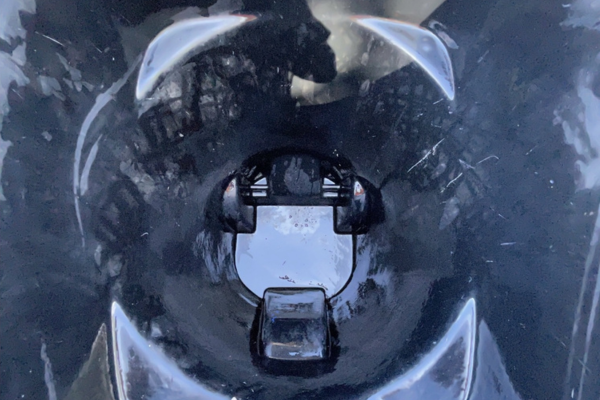
What Causes Liquid to Collect at the Bottom of a Trash Can?
Open an empty trash can after collection, and you may find something you definitely did not put there on purpose: a puddle of dark, unpleasant liquid sitting at the bottom.
That liquid usually comes from leaking trash bags, food waste, discarded drinks, condensation, rainwater, or a combination of several sources. Once it reaches the bottom of the cart, it can mix with food particles and residue that remain after the garbage itself is removed.
For homeowners considering trash can cleaning in Cecilia, LA, understanding where that liquid comes from can also make it easier to prevent the same mess from building up week after week.
The Liquid Usually Starts Inside the Trash Bag
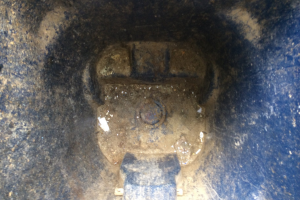
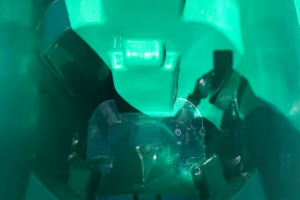
Most trash-can liquid does not suddenly appear after collection. It often begins inside a kitchen or household trash bag.
Food waste can release moisture as it sits. Containers may still contain small amounts of beverages, sauces, cooking liquids, or other wet material. If the bag develops a small tear or puncture, that moisture can escape into the outdoor cart.
Common sources include:
- leftover drinks
- coffee and melted ice
- sauces and cooking liquids
- wet food scraps
- liquids from spoiled food
- grease or residue from food packaging
- moisture from wet paper towels or cleaning materials
- leaking containers
A bag does not necessarily have to split completely. A small puncture near the bottom can slowly release enough liquid to leave a noticeable puddle.
Food Waste Can Release More Moisture While It Sits
A tied garbage bag may look dry when you place it in the cart, but its contents can change before pickup day.
Fruit scraps, vegetables, meat packaging and other organic waste contain moisture. As these materials sit inside a closed bag, some of that moisture may separate from the waste and accumulate at the bottom.
If the bag leaks, the liquid moves into the trash can itself.
This is one reason a cart can look relatively normal from the outside while the bottom becomes coated with sticky residue.
Warm weather can make the situation more noticeable because organic waste breaks down faster under warmer conditions. In South Louisiana, that can make controlling food residue and moisture especially useful during hotter parts of the year.
Small Tears and Punctures Are Easy to Miss
Trash bags deal with a lot of sharp and irregular objects.
Food containers, cardboard corners, plastic packaging and other household waste can create small holes that are difficult to see. The bag may still hold together when you carry it outside, but liquid can slowly seep through the puncture afterward.
Overfilling can make this more likely because it puts additional pressure on the sides and bottom of the bag.
If leaking bags are a recurring issue, consider using a bag that fits your indoor can correctly and is designed to resist punctures and leaks. Avoid packing bags beyond their intended capacity, and be careful with sharp packaging.
Loose Trash Can Leave Liquid Directly in the Cart
Not every item makes it into a sealed bag.
Loose drink containers, food packaging, pet-waste bags, cups, takeout containers and other items may be placed directly into the outdoor cart. Even a small amount of liquid remaining inside those items can eventually reach the bottom.
Trash collection can also shift, crush, or turn containers upside down while the cart is being emptied.
Emptying liquid from appropriate containers before disposal and securing wet household waste can reduce the amount that ends up loose inside the cart.
Rainwater Can Add to the Problem
Sometimes the mystery liquid is partly rainwater.
An open lid, a lid that does not close completely, or a cart left open while waste is being added can allow rainfall into the container.
Once water enters the bin, it may mix with:
- old food residue
- dirt
- grease
- spilled liquids
- material stuck to the walls
- particles left behind after trash collection
The result may look and smell very different from ordinary rainwater.
Keeping the lid closed whenever possible can reduce water getting into the cart, although it cannot prevent leaks that originate inside the trash bags themselves.
Why Does the Liquid Smell So Strong?
The smell generally comes from what the liquid has picked up along the way.
A puddle containing only rainwater may not smell much at all. A puddle mixed with food residue, grease, decomposing organic material, and old garbage is another matter.
Even after the trash truck empties the cart, a thin layer of residue can remain on the bottom and sides. New moisture can then mix with that residue.
Simply removing the standing liquid may improve the situation temporarily, but it does not necessarily remove material stuck to the plastic.
Odor can also return as new waste enters the bin, so no cleaning method should be viewed as permanent odor prevention.
Why Flies May Be Interested in a Wet Trash Can
Food residue and organic waste can make a garbage cart more attractive to flies and other insects.
Moisture can add to those conditions, particularly when the liquid contains decomposing food material.
Keeping bags tied, reducing food spills, and periodically cleaning residue from the cart can help make the environment less attractive to pests. Cleaning is not the same as pest control, however, and it cannot guarantee that flies, maggots, ants, roaches, or other pests will never appear.
Removing the Puddle Is Not the Same as Cleaning the Bin
If there is liquid sitting at the bottom, dumping it out addresses the standing water but not necessarily everything attached to the surface.
A quick garden-hose rinse may remove loose debris and some visible residue. Material that has dried or become stuck to the bottom and walls can require more thorough cleaning.
Professional trash-can cleaning is different from casually spraying the cart with a hose.
At Bayou Bins, our verified cleaning process uses a 190°F hot-water cleaning system with high-pressure spinning jets and eco-friendly cleaning products. We service bins on trash day after they have been emptied, and wastewater generated during cleaning is collected within the truck for proper disposal.
That makes professional cleaning particularly useful when repeated leaks have left residue that a quick rinse does not address well.
Practical Ways to Reduce Liquid Between Cleanings
You cannot prevent every spill, but a few waste-handling habits can reduce how much liquid reaches the bottom of your cart.
Drain Containers Before Throwing Them Away
When appropriate, empty beverages and other liquids before putting containers into household trash.
Do not pour chemicals, oils, paints, medicines, or other materials into sinks or outdoor drains unless local disposal guidance specifically allows it.
Tie Trash Bags Securely
Closing bags before placing them in the outdoor cart helps contain loose waste and moisture.
Avoid Overfilling Bags
A bag packed beyond its capacity is more likely to stretch, tear, or be punctured by its contents.
Be Careful With Sharp Packaging
Sharp corners and rigid food containers can puncture bags. Positioning or wrapping problematic items before disposal can help protect the bag.
Keep the Outdoor Cart Lid Closed
Closing the lid helps reduce rain entering the cart and keeps loose waste more contained.
Clean Spills Instead of Letting Them Accumulate
One leaking bag is much easier to deal with than repeated leaks building layer after layer of residue.
If you notice a significant spill after collection, cleaning it sooner can keep the material from drying onto the plastic.
Useful Resources for Reducing Leaks and Managing Bin Cleanup
A few consumer resources can make between-service maintenance easier. These products and organizations are not affiliated with Bayou Bins, and you should always follow manufacturer directions and confirm that a cleaning product is appropriate for the surface you plan to clean.
Glad Trash Bags
Glad ForceFlex trash bags include options designed with features intended to resist tears, punctures, and leaks. Choosing the correct size and avoiding overfilling still matters because no trash bag is completely immune to damage.
Hefty Ultra Strong Trash Bags
Hefty Ultra Strong trash bags are another widely available option with designs intended to resist leaks, punctures, rips, and breaks. Larger sizes are available for appropriate household cleanup situations.
EPA Safer Choice
If you are shopping for a household cleaner, the EPA Safer Choice program provides a searchable resource for products that meet EPA criteria for ingredients, performance, and other program requirements.
Never mix cleaning chemicals unless the manufacturer specifically directs you to do so. Certain chemical combinations can create dangerous reactions.
How Often Should a Trash Can Be Cleaned?
There is no single schedule that makes sense for every household.
A home that produces a lot of food waste or experiences frequent bag leaks may notice residue much faster than a household that generates mostly dry waste.
Factors worth considering include:
- household size
- amount of food waste
- frequency of leaking bags
- where the cart is stored
- seasonal temperatures
- recurring odors
- how quickly residue returns
- personal preference
Bayou Bins offers monthly, every-two-month, quarterly, yearly, and one-time cleaning options. We service bins on trash day, allowing the cleaning to take place after the carts have been emptied.
The right schedule depends on how your household uses its bins rather than a rule that every cart must follow.
Frequently Asked Questions About Trash Can Cleaning
How Does Professional Trash Can Cleaning Work?
Bayou Bins provides professional trash can cleaning using specialized equipment designed to give dirty trash cans and recycling bins a much deeper clean than a simple garden-hose spray. After your regular trash collection, our team arrives at the curb and uses a self-contained cleaning unit with hot water and high-pressure spinning jets to remove stuck-on grime, residue, and other mess inside the bins.
The cleaning process helps sanitize, disinfect, and deodorize your cans. The goal is to leave you with clean trash cans that look fresh and smell great without leaving a dirty mess on your driveway or property.
Why Should I Have My Trash and Recycle Bins Professionally Cleaned?
Even when you use trash bags, leaks and spills can leave food waste, dirty water, grease, and other residue behind. Over time, this buildup can create strong odors and provide conditions where bacteria, germs, and other unwanted material can collect.
Professional bin cleaning provides a deep clean that is difficult to get with normal at-home cleaning methods. It is especially helpful for homeowners who are tired of dealing with smelly cans, sticky residue, or a bad smell every time they open the lid.
Regular cleaning can also make the area around your bins more pleasant for your family, pets, neighbors, and anyone spending time around your property.
How Often Should I Have My Trash Bins Cleaned?
There is no single cleaning schedule that works for every home. How often you need cleaning services can depend on how much trash your household produces, the number of people or pets in your home, local weather, food waste, leaking bags, and how quickly odors return.
Bayou Bins offers different scheduling options, including monthly, every two months, quarterly, yearly, and one-time cleaning. Regular cleaning is a good choice for customers who frequently notice grime, liquid, or odors building up between collection days.
Choose a schedule that makes sense for your home and how quickly your trash bins become dirty.
Can You Clean Both Trash Cans and Recycling Bins?
Yes. Our services can be used for trash and recycling bins, helping homeowners keep both types of containers cleaner.
Recycling bins can become dirty too. Food containers, drink bottles, cans, and other recyclable items may still contain small amounts of liquid or residue when they are thrown away. Over time, this can produce sticky buildup and unpleasant smells.
Having your recycle bins cleaned along with your trash containers can help keep the entire trash and recycle area around your home cleaner and fresher. If you have several bins or cans, contact Bayou Bins so our team can help you choose the right service for your property.
Where Does the Dirty Water Go After My Bins Are Cleaned?
Bayou Bins uses a self-contained cleaning unit, so the wastewater created during cleaning is collected by the cleaning system instead of simply being allowed to run across your driveway or into the surrounding environment.
This is one of the main differences between a professional service and washing a can yourself with a hose. At-home cleaning can move dirty water, food residue, and grime from the can onto the driveway, lawn, or nearby areas.
Our professional equipment is designed to handle the mess as part of the complete cleaning job. We take pride in leaving the area cleaner without making another problem for homeowners.
Does Trash Can Cleaning Remove Odors, Bacteria, and Germs?
Our cleaning process is designed to remove the residue that can cause unpleasant odors while also helping reduce harmful bacteria and germs commonly found inside dirty bins.
Hot water, high-pressure cleaning, and appropriate cleaning methods allow us to reach areas that can be tough to clean by hand. We then sanitize and deodorize the container so it feels much fresher after service.
No cleaning service can promise that a trash can will stay free of bacteria, viruses, odors, or grime forever. New trash will eventually make the container dirty again. That is why a regular cleaning schedule can be useful for homeowners who want their bins cleaned throughout the year.
Do I Need to Do Anything Before Bayou Bins Arrives?
The most important thing is to have your bins available after your normal city or local trash collection. Bayou Bins performs the cleaning after the containers have been emptied, so leave the cans where our team can easily access them at the curb.
If your collection is delayed because of holidays, storms, or other local conditions, check any service message or scheduling update you receive. If your booking page or customer link provides an update button, follow the instructions shown there, or contact our team if you need help.
A simple note to remember is this: empty bins and clear access help us complete the job more easily when we arrive.
How Do I Schedule Trash Can Cleaning With Bayou Bins?
Getting started with Bayou Bins is simple. Choose the cleaning option that fits your needs and use the booking link on the website, or contact the team if you have questions about your cleaning schedule, number of bins, or service area.
We are proud to provide local trash can cleaning services for homeowners and other customers who want a cleaner way to deal with dirty and smelly containers. Depending on availability and location, customers can choose recurring service or a one-time cleaning for extra freshening when their bins need attention.
If you own a home, rental property, or manage local businesses, send us a message or call to see which services are available. When your cans start to smell, collect grime, or literally become a job you do not want to handle yourself, that is a good sign it may be time for professional bin cleaning.
Keep Leaks From Turning Into Layers of Buildup
A little liquid at the bottom of a trash can usually has a straightforward explanation. Trash bags leak, food releases moisture, containers hold leftover liquids, rain gets inside, and all of it can mix with residue already coating the cart.
Good disposal habits can reduce the problem, but once repeated leaks leave material stuck to the interior, simply emptying the puddle may not be enough.
At Bayou Bins, we provide professional trash can cleaning for homeowners who want a more thorough way to remove the residue left behind inside their bins. Our cleaning process fits into trash day after your containers have been emptied.
If the bottom of your trash can keeps collecting liquid, grime, and stubborn residue, call 337.450.8888 or Contact Us to discuss cleaning your bins.